From reform to reality: shared challenges across Nordic and Baltic psychiatry
One of the great privileges of the Nordic Psychiatric Association is the opportunity to look beyond our own national systems and observe developments across the Nordic and Baltic countries. While healthcare structures, funding models and political priorities differ, our annual discussions continue to reveal how many challenges we share.
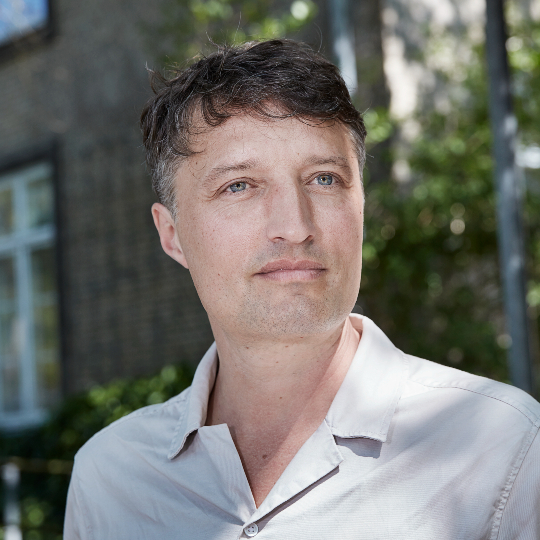
Christian Legind
MD, PhD, Chairperson of the Danish Psychiatric Association.

This year's meeting offered a particularly interesting snapshot of a region in transition. Across countries, psychiatry is receiving increasing political attention. New reforms, funding initiatives and organisational changes are being introduced with the ambition of improving care, increasing accessibility and strengthening collaboration between sectors. Yet a recurring theme emerged: translating political intentions into tangible improvements for patients and clinicians remains a complex task.
The reports from our member countries illustrate both diversity and convergence. Denmark is already discussing a possible continuation of its ambitious ten-year psychiatric plan. Finland continues to navigate the consequences of a major healthcare reform, while Sweden reports increasing political engagement in psychiatric issues. Latvia is experimenting with innovative approaches, including AI-supported triage, and Norway has launched the “Choose Wisely” campaign in psychiatry. Across the region, efforts are underway to strengthen primary care, improve quality measurement and develop more sustainable service models.
At the same time, familiar challenges remain. Bed shortages were reported from several countries, recruitment difficulties continue in some areas, and questions about financing, organisation and prioritisation are never far from the agenda. The growing prevalence of neurodevelopmental conditions, increasing demand for services and the need for culturally competent care in increasingly diverse societies are concerns that resonate throughout the region.

Perhaps the most striking observation is that more resources alone do not automatically lead to better outcomes. Several discussions returned to the difficult question of how to organise services in ways that genuinely improve the lives of patients. As psychiatrists, we know that quality, continuity, accessibility and collaboration are often as important as funding levels themselves.
The country updates presented provide valuable insights into how we as neighbours are addressing these challenges. They remind us that while solutions may differ, the underlying goals are remarkably similar: better care for patients, sustainable working conditions for professionals and mental health systems capable of meeting future needs.
I hope you will find the reports both informative and inspiring and perhaps discover ideas that may be relevant beyond national borders. As always, our shared discussions demonstrate the value of learning from one another and of maintaining strong professional connections across the Nordic and Baltic region. □


