The Nordic Journal of Psychiatry seeks a new editor
The Nordic Psychiatric Association is seeking a new editor for the Nordic Journal of Psychiatry (NJP).


Highlights from the Nordic Journal of Psychiatry (December of 2025 - May of 2026)
The Nordic Journal of Psychiatry, formerly “Nordisk Psykiatrisk Tidsskrift”, is an international journal that publishes excellent psychiatric research with a broad scope. It is the official journal for the eight psychiatric associations in the Nordic and Baltic countries. It is a main source of information about current Nordic psychiatry and related fields, The journal is distributed to members of the Nordic and Baltic Psychiatric Associations as well as to members of Associa
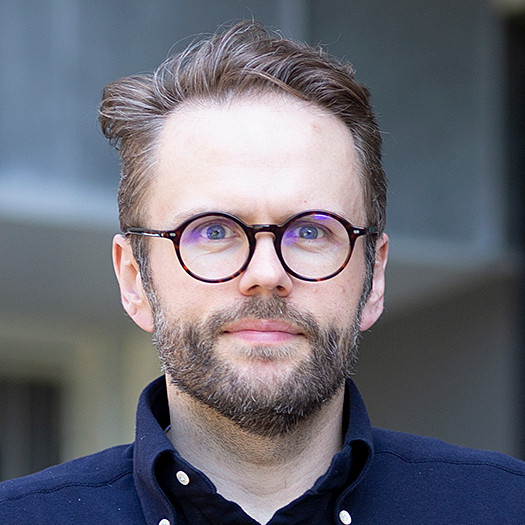


From sacred wounds to social marks: Rethinking stigma in a Christian context
Interview with Fausta Palaimaitė, Doctor of Theology and Master of Social Work.


Recruitment to psychiatry in Sweden
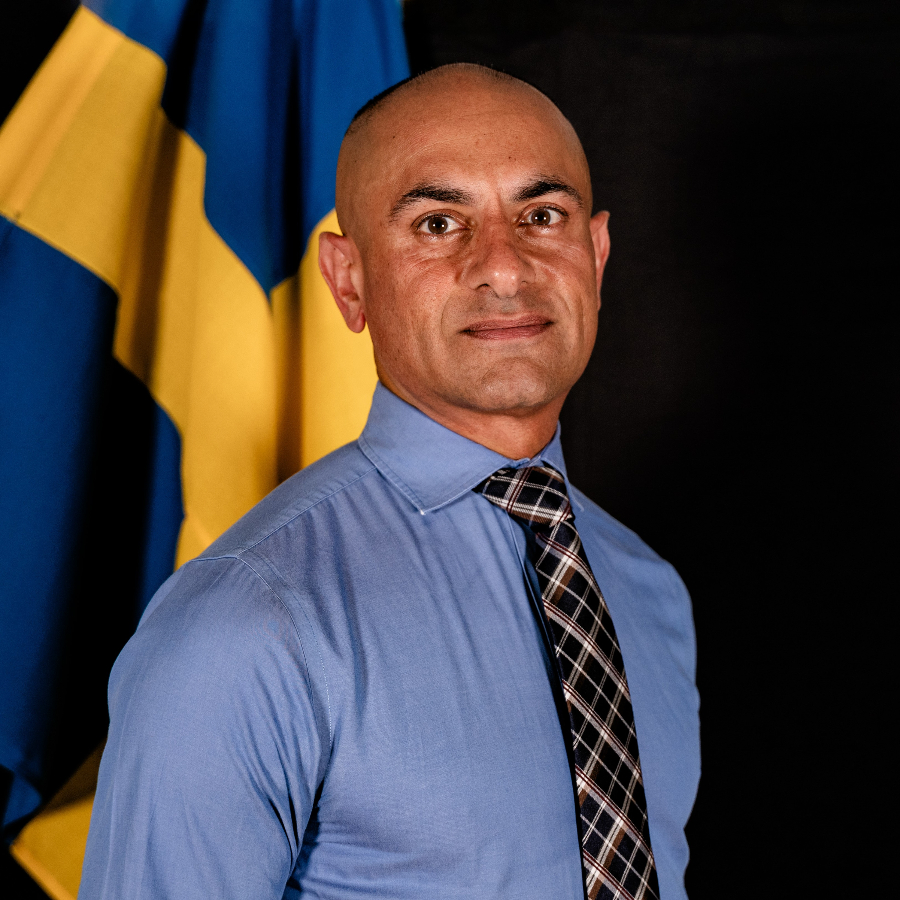
Interview with Jonas Eberhard, President of the Swedish Psychiatric Association, and Dr Karl-Axel Lundblad, board member.



Treating pedophilia in the Norwegian setting: an overview
Pedophilia is a psychiatric disorder characterized by a stable pattern of sexual attraction towards children. Despite the subjective distress often experienced by these individuals, and the potential for sexual abuse associated with the condition, people with pedophilia are often unable to access appropriate psychiatric treatment. The objective of this communication is to describe the approach taken in Norway over the last ten years, which addresses some of these challenges.



The limits of openness
Interview with podcaster and public lecturer Yrja Oftedahl.



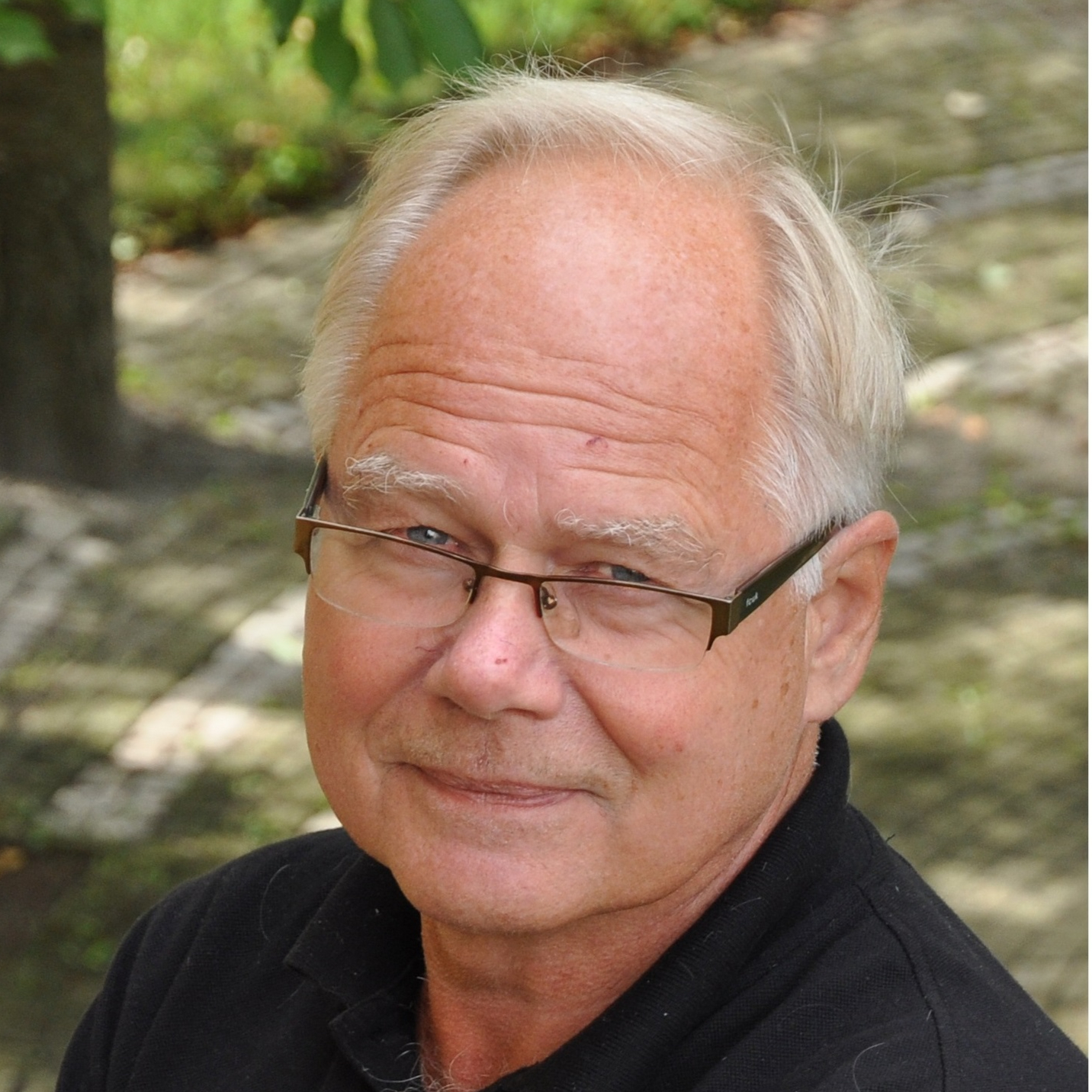
On psychiatry and military stigma
As a chief military psychiatrist, involved in the psychiatric strategic oversight of armed forces personnel, covering selection (before war), performance (during war) and rehabilitation (after war); I often reflect upon the essential contribution of my civilian colleagues. Yes, there is always a final end of war and a fractured society may require years to heal and recover both the visible and invisible wounds afflicting soldiers, their families and society at large.


Public attitudes toward mental illness: An examination across countries and over-time
Ever since Goffman published his work on stigma in 1963, sociologists and other social scientists have been interested in understanding stigma. Goffman defined stigma as “an attribute that is deeply discrediting” and argues that the stigmatized person is reduced “from a whole and usual person to a tainted, discounted one” (Goffman 1963:3). Around the same time, sociologists and psychiatrists influenced by social constructionist perspectives challenged the biomedical conceptua



Self-stigma is a neglected but important aspect of mental illness stigma
Stigma and discrimination are still prominent features of the life situation of people with mental illness, adding to the burden of living with a mental illness. Negative attitudes, stereotypes, and discrimination are still prevalent. In fact, there is evidence that public attitudes have not changed substantially during the last two decades or even turned worse in the case of people with schizophrenia. Stigma and discrimination affect people with a mental illness in many ways


Removing diagnoses, removing stigma
More people are diagnosed with ever more diagnoses. While often for the best, the diagnostic inflation has some severe drawbacks: diagnoses can come to harm people more than helping them, and they can be stigmatizing. When the burden of a diagnosis is larger than its benefits dediagnosing, that is the removal of diagnoses that do not contribute to reducing the personʼs suffering, should be considered. Dediagnosing comes together with other measures against overuse, such as d


Ways to reduce stigma: individual placement and support – collaboration with the world of theatre
Interview with Mr. Hlynur Jónasson, supported employment and creative arts director at Landspítali.


Stigmatization of Greenlanders
Greenlanders drink less than Danes, but the prejudices portraying Greenlanders as suffering widespread alcohol problems. The recent debate in the Danish media has once again brought the obvious discrimination against and prejudices about Greenlanders to the surface. Derogatory expressions such as "Greenlander drunk stiff," "Greenlandic rolls," "The Greenlandic embassy," and "Greenlandic pubs" appear in the Danish language and simultaneously reveal persistent prejudices about


The challenge of stigma: lessons from Sir Graham Thornicroft
Few psychiatrists have contributed as much to our understanding of mental health stigma as Sir Graham Thornicroft. Over several decades, he has combined clinical experience, academic research, and international advocacy to explore how stigma affects people living with mental health conditions and to identify effective ways of reducing discrimination. As author of Shunned and co-chair of the landmark Lancet Commission on Ending Stigma and Discrimination in Mental Health, Thorn


Fighting stigma: interview with Grímur Atlason, CEO of Geðhjálp (Icelandic mental health alliance)
Public attitudes towards mental illness have changed significantly in recent decades, yet stigma remains a major barrier to inclusion, recovery, and equal opportunities for many people living with mental health conditions. In Iceland, the user-led organisation Geðhjálp (The Icelandic Mental Health Alliance) has taken an active role in measuring and challenging stigma through recurring national surveys, public discussions, and educational initiatives.


26th World Congress of Psychiatry in Stockholm, Sweden
Welcome message by Professor Danuta Wasserman, President of the World Psychiatric Association.
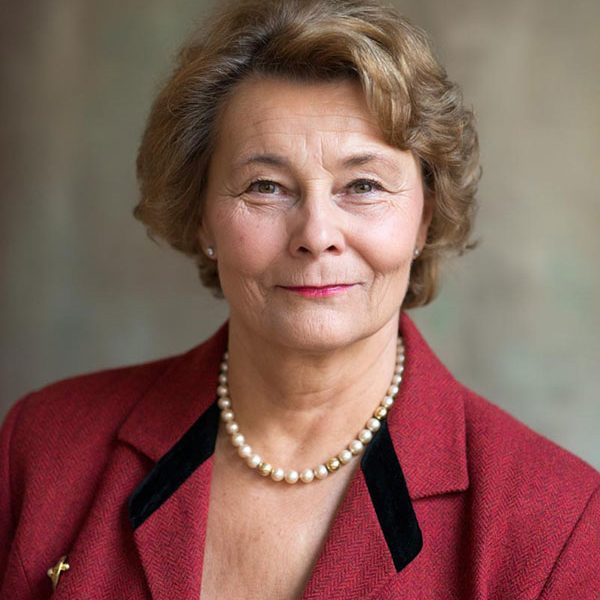


Editor word: Issue 1 2026
Ahead of each new issue of this journal, we select a theme that we believe will be of interest to colleagues in the Nordic and Baltic countries, and where similarities and differences can be highlighted. This time, we chose to focus on stigma—that is, negative attitudes toward people with psychiatric conditions. The concept is broad and encompasses prejudice and discrimination.


Building a culture of research: the Psychiatric Research Academy in the region of Southern Denmark
A description of origins, structure, and ambitions of a regional initiative to develop early-career psychiatric researchers.
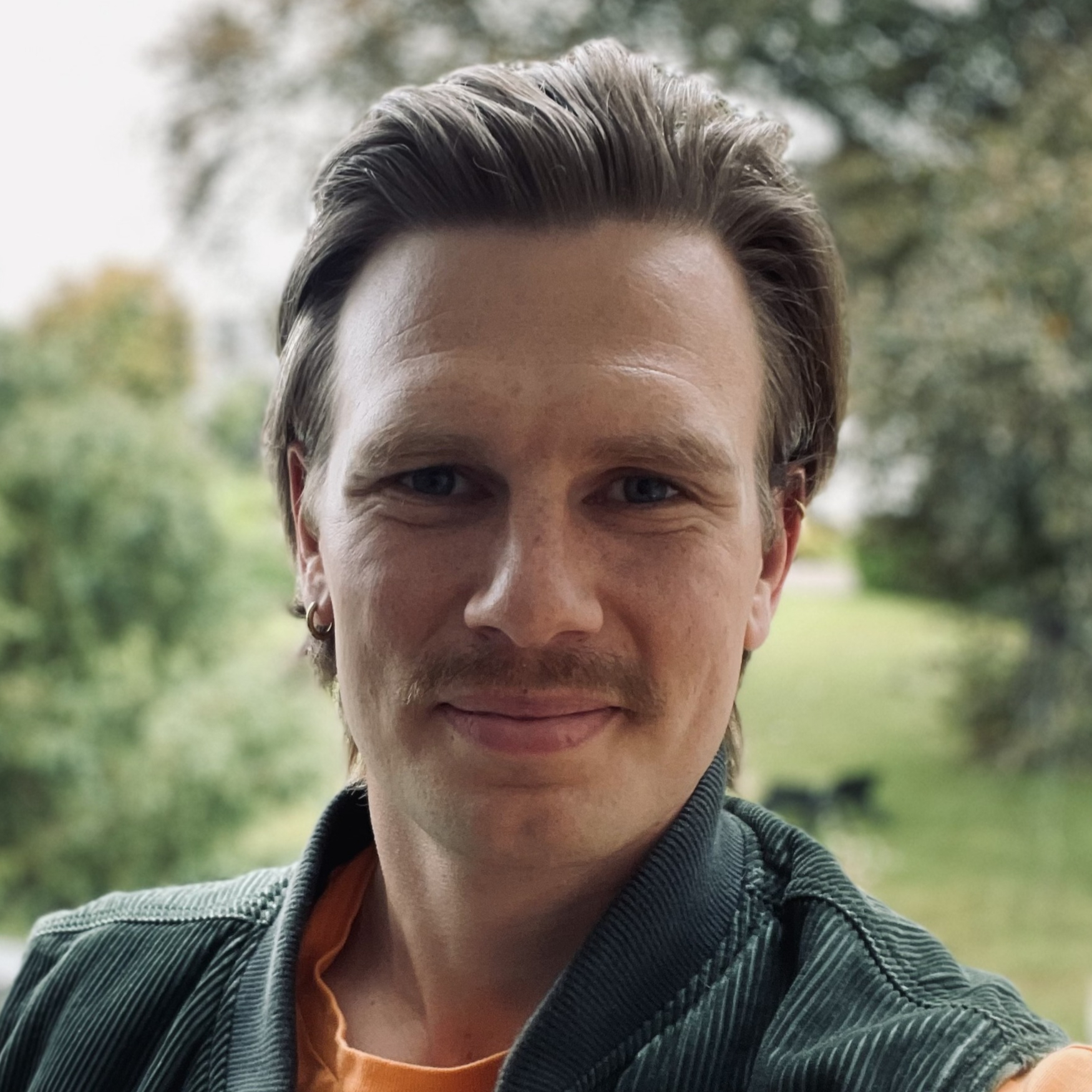


Breaking the cycle of shame: addressing parental self-stigma in adolescent psychiatry
Parents of adolescents hospitalized in a psychiatric ward inevitably face the stigma associated with mental disorders. First, when experiencing external stigma from others, parents begin to feel blamed and socially shamed for their child’s mental disorder, often being labeled as incompetent parents. The prevailing view is that parents whose children have been diagnosed with mental disorders such as attention deficit hyperactivity disorder, anxiety, and especially social phobi


Behind closed doors: stigma in sexual medicine
Interview with sexual medicine specialist and psychiatrist Dr. Giedrė Jonušienė.


Behind the glass: invisible mechanisms of stigma in psychiatric institutions
Stigma in psychiatric settings stems from more than just individual prejudice; it is actively maintained through institutional, linguistic, and emotional defence mechanisms. The glass-enclosed nursing station serves as the most visible symbol of these boundaries. Behind it, documentation rituals, professional language, and diagnostic categories act as institutional defences. While they help clinical staff survive the heavy emotional labour, they simultaneously create the dist