The limits of openness
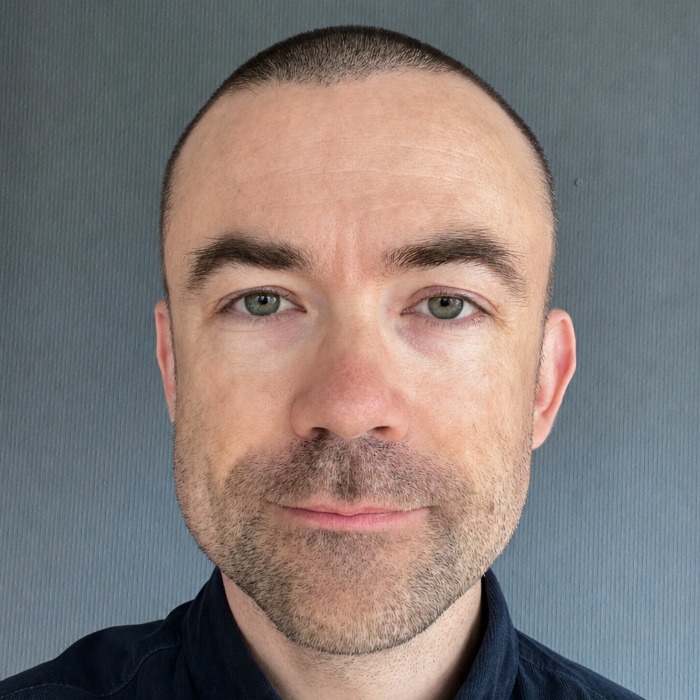
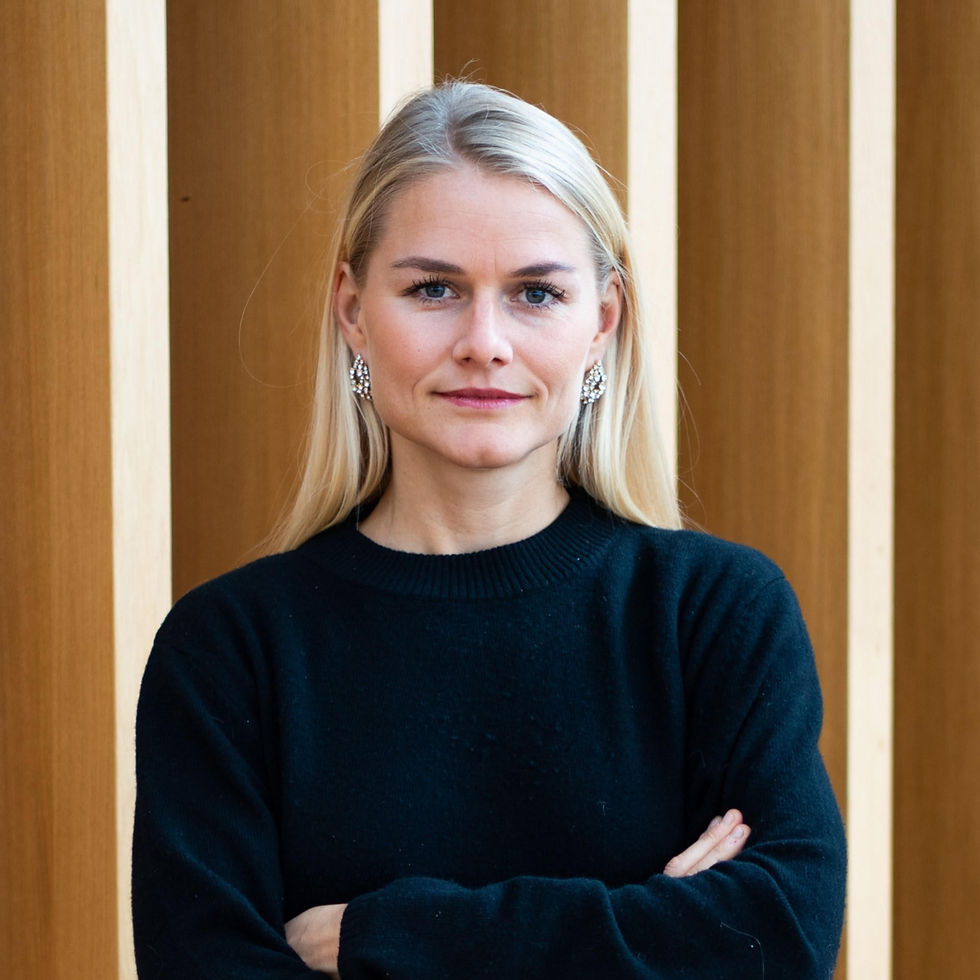
Interview with podcaster and public lecturer Yrja Oftedahl
Over the past decades, stories of mental illnesses have moved from the private realm into public discourse. What happens when the story you tell is one of losing your mind and being involuntarily admitted to a psychiatric ward?
Yrja Oftedahl
Yrja Oftedahl has a background in the Norwegian and international startup sector. In 2018, she started the podcast Power Ladies. She has also appeared on the reality show 71 Grader Nord. Currently, she gives talks and is writing a book with journalist Ingeborg Senneset about her experience with psychosis.
«How do you think the world will look at me, the day I return home?” These are the lyrics of the Norwegian country artist Håkon Banken almost 50 years ago after being admitted to a mental hospital with a depressive episode.
Much has happened since Banken was hospitalized. Stories of depression, anxiety and grief have become commonplace in society and the media. Still, there seem to be some limits to the openness revolution. Perhaps the degree of surprise or novelty is an indicator of where this line is struck.
About a year ago, I came across an essay in NRK, the state news outlet in Norway, titled “Syk i hodet” or “Insane” (Oftedahl, 2025). The essay was written by podcaster and public lecturer Yrja Oftedahl. In the essay she described her experience with bipolar disorder and of being involuntary admitted to psychiatric wards several times over a year. She gave a clear message on how the involuntary admission and drugs had helped her to regain insight into her condition. In the aftermath she decided to go public about it, attracting considerable attention, including mine. To what degree are the so-called serious mental illnesses, such as bipolar disorder and schizophrenia, still stigmatizing? And what are the consequences of pushing the boundaries of openness?
Oftedahl was diagnosed with bipolar disorder when she was 19 years old. At the time she did not accept her diagnosis and did not want to take any medications. For three years she pursued a path of biohacking, attempting all possible remedies to improve her mental health, but to no avail. After starting on mood-stabilizing drugs, her symptoms subsided within 6 weeks. After being on them for many years she was advised to taper the medication. In 2023, in the aftermath of suffering a concussion, she gradually started losing her grip on reality.

Yrja Oftedahl: At the time I was working on an AI project at Schibsted (large news corporation in Norway). After work, I would walk home talking to Henrik Wergeland (Norwegian poet 1808-1845, who also had symptoms of bipolar disorder). I had no prior experience with being psychotic and no one in my family noticed of the gradual changes.
Why did you decide to share your experience?
When the psychosis subsided, I headed home to my family. I couldn’t have taken care of myself, evenhough I had regained insight. I thought I’d never get well and was really afraid to leave the house. After 14 months I was coming back to my old self again but had lost contact with society but still kept to myself. I had lost all sense of belonging to a society and sense of agency. I decided to post my story in various social media channels because I wanted to be a part of society again and also rid myself of the shame of having been admitted. Why should I feel any shame of having this diagnosis when no one is ashamed of having been admitted for appendicitis?
What kind of feedback did you receive?
I only got positive feedback. People thanked me for the openness, especially relatives of people with bipolar disorder who were frustrated that their loved ones were discharged because they didn’t qualify for involuntary admission. I was also contacted by celebrities who privately shared their stories of psychosis, but who were too afraid to share them in public. I wanted to be a role model and show that people who have had success in life also can become psychotic. It’s a vicious circle where no one dares to tell their stores and the stereotypes persist.
“Do you think everything will be as it was, or will my friends turn their back on me?”, continues Banken. Being an extremely timid man, his description of being hospitalized through his music must have taken a great toll. And, fittingly, the psychiatric ward was also where he was discovered. An employee heard him play his songs in his room, setting him up with a famous Norwegian producer.
Have you encountered stigma after going public?
The notion that mental illnesses or psychotic episodes are personal failures are common, just because you can’t “prove” the diagnosis with a blood sample. It isn’t!
What about from health care personnel?
Just because you’re psychotic doesn’t mean you don’t notice what’s happening around you at the ward. You’re not stupid. And a normal conversation and rational behavior is very easy to fake in a psychotic state. We could have this conversation and you might not realize that I was psychotic. Bipolar disorder is more than the “stage four” cancer stereotype, walking on the streets with crazy hair, thinking you are Jesus. I think this stereotype is way too prevalent among health care personnel.
I think the bar of involuntary admission and medication without consent should be lowered. That way I wouldn’t have had to be admitted and readmitted several times, spending a total of 127 days at the hospital. In my talks with health care personnel, I have also been shocked at the strong opposition to coercion from people who have no experience with psychosis.
Stigma is usually described as being a label tied to a negative stereotype. Recently, in a large cohort three in ten Norwegian youths reported psychotic experiences, yet this fairly common experience is rather absent in the media (Birkenæs et al., 2026).
What changes would you like to see in health care and society at large?
When NRK published my essay, I was shocked by the ensuing silence from psychiatrists. No one continued the debate even though I know many psychiatrists are proponents of using involuntary admissions as a means to treat psychosis.
Today, Oftedahl is working on a book about her experiences, holding lectures and talking to politicians. Her message is unequivocal:
Involuntary admission and medical treatment saved my life. It’s impossible to describe what a psychosis feels like. It’s like a nightmare where you’re stuck in a corner and you can’t get out.
“We are four patients who towards Christmas celebrations go, even though our minds are dark, spring will soon arrive”, continues Banken.
Oftedahl decided to fight the shame, turning her experience into a path of fighting stigma on the serious mental illnesses in public. In my clinical experience, most people with serious mental illnesses are still sharing Oftedahl’s feelings of disengagement from society and struggling with a fear of being stigmatized if they open up.
“Do you think the world will brand me and say that I am mad?” asks Banken. I was mad, but there’s no shame in that, answers Oftedahl. Her voice may be solitary, but it’s a clear and courageous one. □
References
Birkenæs, V., Parekh, P., Hegemann, L., Bakken, N. R., Frei, E., Jaholkowski, P., Smeland, O. B., Susser, E., Rodriguez, K. M., Tesfaye, M., Andreassen, O. A., Havdahl, A., & Sønderby, I. E. (2026). Youth psychotic experiences: Psychometric evaluation and diagnostic associations of the CAPE-16 in adolescents from the Norwegian Mother, Father and Child Cohort. Journal of Child Psychology and Psychiatry, 67(1), 27–40. https://doi.org/10.1111/jcpp.70007
Oftedahl, Y. (2025, May 31). Syk i hodet. NRK. https://www.nrk.no/ytring/syk-i-hodet-1.17424818
AUTHOR: Hallvard Solbø Hagen
MD, junior psychiatrist at Lovisenberg Diakonale Sykehus in Oslo, Norway and a PhD student at the University of Oslo focusing on neuropsychological interventions in depression.


