Is ADHD being over-diagnosed and over-treated in Iceland… Or is Iceland simply ahead of the rest?
Over the past decade, there has been a lively debate in Iceland regarding ADHD, concerns about over-diagnosis, and the widespread prescription of stimulant medication. Many health professionals and politicians assert that Iceland's statistics significantly exceed those of our Nordic neighbours and, indeed, the rest of Europe. Some even claim that Iceland has surpassed the USA in these areas.



TMS as a last resort: Interview with Jonas Montvidas
Recently, we have been observing how transcranial magnetic stimulation, a non-pharmacological treatment method, is challenging the traditional dominance of medication in psychiatry. Today, I am talking about the practical aspects of this treatment method with Jonas Montvidas, a psychiatrist and enthusiast of this method.


The pendulum swings: views on psychedelics among professionals and the public
Historically psychedelics and related substances (PARS) played a part in rituals of healing in several indigenous Southern, Central and Northern American cultures. In the mid-20th century, when few approved psychopharmacologic agents existed, some psychiatrists and psychologists started to experiment with the use of psychedelics.



The interaction of evidence, expert opinions and controversy in psychiatry
Methylphenidate has been the first-line treatment for children and adolescents with attention-deficit hyperactivity disorder for more than half a century. Yet, after numerous systematic reviews, three applications to get methylphenidate on the List of Essential Medicines and three rejections by the World Health Organization, the questions remain: does it work, and how do we know?



Swedish psychiatry needs a restart
The clinical gaze and medical assessment have gradually been pushed aside in favor of manual-guided diagnostics - often performed by professional groups without medical training. When criterion-based questionnaires replace the physician’s diagnostic work, psychiatry loses its medical foundation. For psychiatry to provide quality healthcare, a restart is needed where medical competence, clinical judgment, and resource efficiency are the guiding principles, writes psychiatrist



Pharmacogenetics – what a psychiatrist should know
Interview with Elvira Bramon, Professor of Neuroscience and Mental Health.



Off-label ketamine for treatment resistant depression
About 30% of people with depression do not respond to standard antidepressant trials, and there is a huge current need for more effective treatments. Depression remains a leading cause of global disability, and there have been few major advances for treatment-resistant depression (TRD). Currently, there is no antidepressant nearly as effective as ECT, discovered around a century ago. One of the most important breakthroughs at the turn of the century was the demonstration of t



Low-dose and off-label use of antipsychotics: current evidence and clinical considerations
Since the discovery of chlorpromazine in the 1950s, antipsychotics have been a cornerstone in the treatment of schizophrenia and paranoid psychosis. Beyond psychotic conditions, several antipsychotics are also approved for affective disorders (e.g., flupentixol or quetiapine for depression; aripiprazole, olanzapine, quetiapine, risperidone, or ziprasidone for treatment and prevention of mania), for delirium (haloperidol), and for persistent aggression associated with dementia



Risks of undertreating – consequences for adults
Undertreating ADHD can have significant and far-reaching effects on mental health, relationships, and overall quality of life. While treatment (including medication, therapy, and lifestyle modifications) is not a cure, it can significantly mitigate the symptoms and help individuals lead more productive, fulfilling lives. Addressing ADHD early and appropriately reduces the risk of developing many of these secondary issues, allowing adults with ADHD to be (...)


ADHD: risks of over diagnosing and treating children
The ongoing ADHD debate is causing a lot of controversy and polarization, within the psychiatric field and in the public in general. Are we over diagnosing or underdiagnosing, or maybe both? And what are the consequences of doing so?
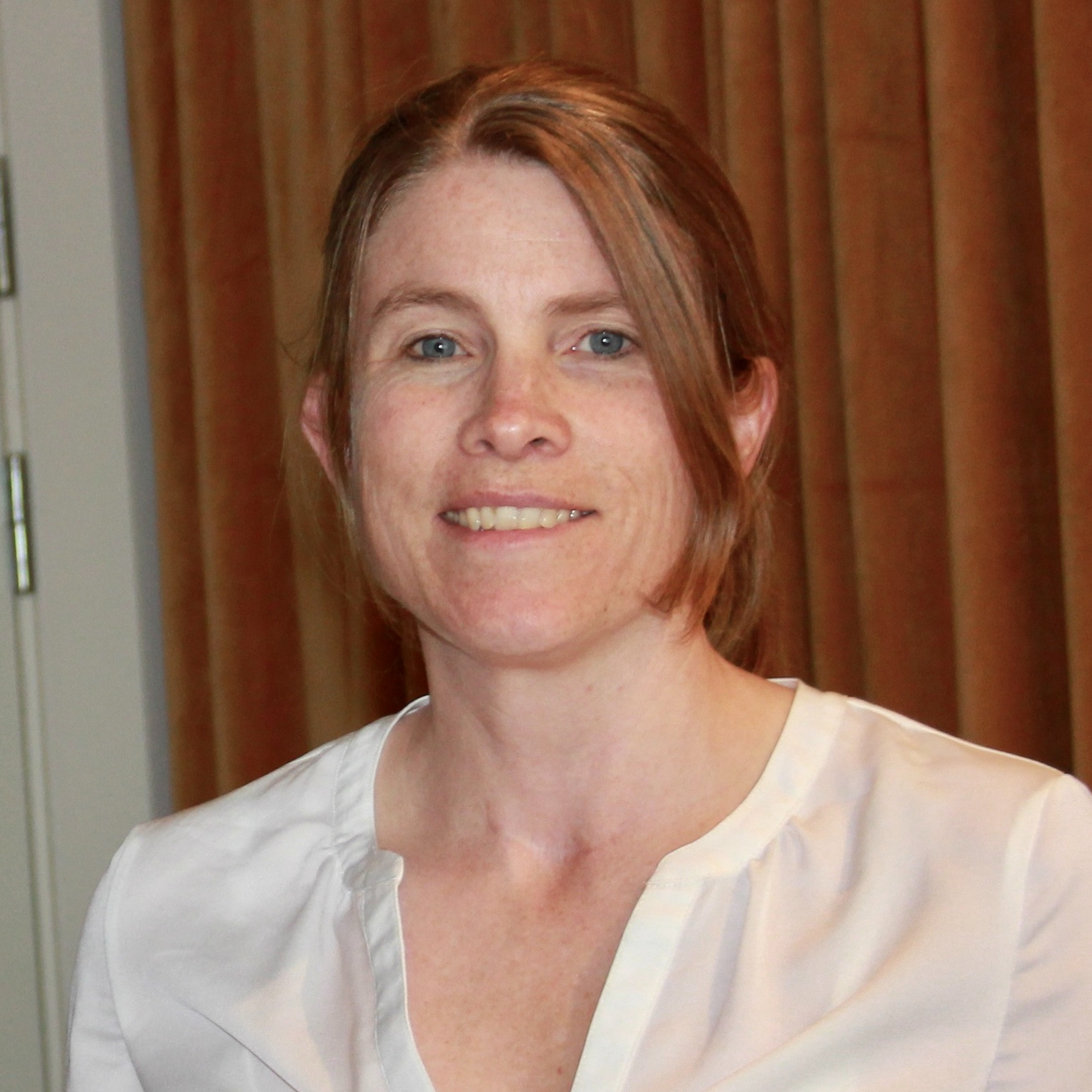


From repetition to reflection: reviewing schizophrenia treatment practices with Professor Vesta Steiblienė
Throughout the history of psychiatry, the treatment of psychosis has undergone a series of transformations, with new concepts of this mental disorder and new treatment methods emerging. It seems that science is learning more every day about the effectiveness and safety of various treatment methods, but are treatment choices always determined by scientific evidence? Today, I am talking to Professor Vesta Steiblienė about the polarisation associated with the treatment of psycho


Diagnoses, normality and systemic pressure: Niels Bilenberg on the evolution of ADHD diagnostics
Interview with Professor Niels Bilenberg about diagnostic trends and systemic pressures



Competences versus fears and attitudes
Interview with addiction psychiatrist Darius Jokūbonis.


Green paper on ADHD in Iceland, waiting lists and medication use
Among the Nordic countries Iceland has the highest use of ADHD medication while waiting lists for diagnosis and treatment are getting longer. The minister of Health therefore appointed a committee in December 2023 to write a green paper on the situation by meeting relevant stakeholders, going through data and the literature. The objective was to identify 5-10 key findings to guide authorities regarding next possible steps.



When is there enough evidence?
How much evidence is enough to justify a treatment? The question sits at the fault line between science, ethics, and practice. Researchers seek methodological certainty; clinicians face patients whose needs seldom wait for consensus. Regulators demand proof before approval, while professional societies call for coherence before endorsement. Each perspective is valid, yet none alone determines when knowledge becomes action.


The neuropsychiatric paradigm of ADHD is limping– time to lift the blinders?
This article is based on a short lecture originally given in the Swedish Psychiatric Associations yearly meeting in Stockholm in March 2024. I have since given a similar lecture on other occasions. The article below is a summary of the main points of the lecture. My intention with the lecture was to bring into awareness and discuss some current international research important for understanding ADHD, research that is not often discussed in Sweden. Because of space limitations